
Altitude Sickness on a Luxury Trek: Does Comfort Actually Help?
2nd Jul, 2026
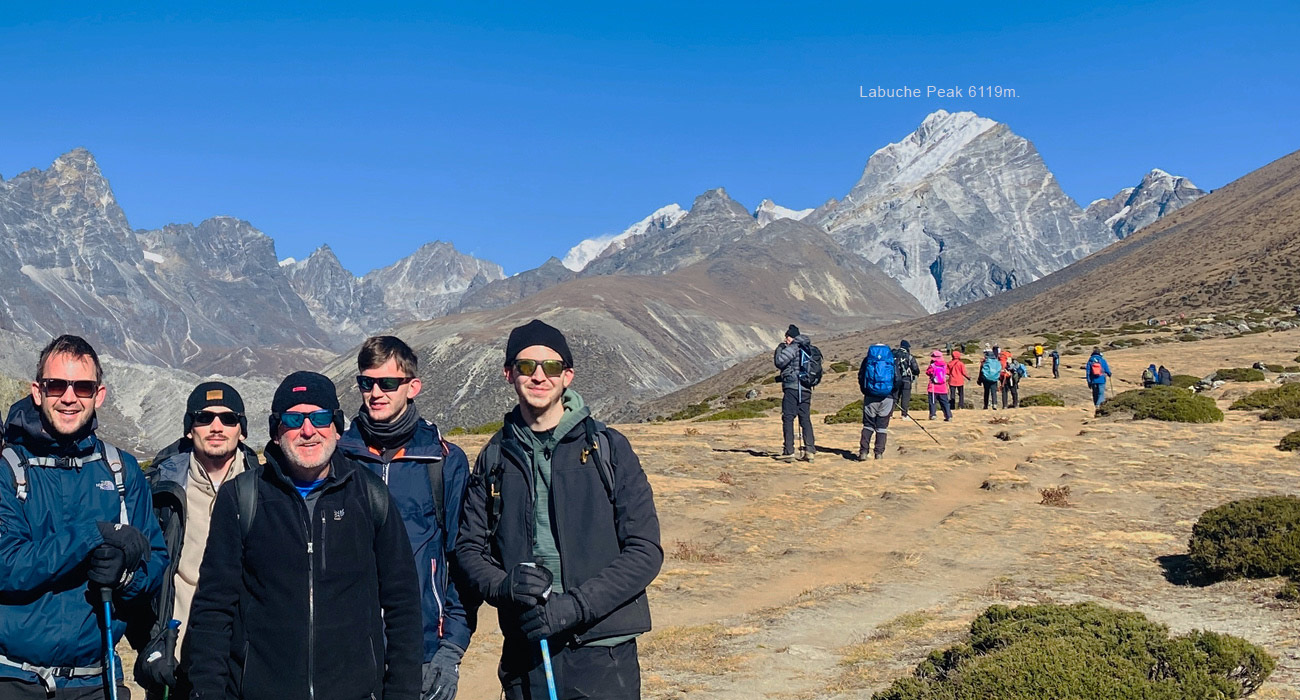
Comfort helps you manage altitude sickness better, but it does not prevent it. A warmer room, better food, and a private guide checking your oxygen levels twice a day all support your body's acclimatization, but none of them change the fact that there's roughly 50% less oxygen available at Everest Base Camp than at sea level. On the Everest Base Camp Luxury Trek, the luxury upgrade buys you a better environment to acclimatize in, not immunity from the process itself. Almost everyone who does this trek, luxury or standard, feels something above 4,000 meters. The honest question isn't whether you'll feel it, it's whether your setup helps you respond to it correctly when you do.
Table of Contents
Here's what that actually looks like, day by day, rather than the generic "drink water and go slow" advice most guides repeat without explaining.
What Altitude Sickness Actually Feels Like (Not the Textbook Version)
The textbook symptoms of acute mountain sickness are headache, fatigue, loss of appetite, nausea, and disrupted sleep. What that translates to on the trail is less clinical and more like this: a dull pressure behind the eyes that gets worse when you lie down at night, a strange breathlessness climbing stairs in a lodge that has nothing to do with fitness, food suddenly tasting like nothing, and waking up at 2 a.m. gasping slightly, a symptom called periodic breathing that's common and usually harmless above 3,500 meters but is genuinely unsettling the first time it happens.
None of this means something has gone wrong. Mild symptoms above 3,000 meters are close to universal, not a sign that the trek isn't working for you. The distinction that actually matters is between symptoms that stay mild and stable, and symptoms that worsen despite rest, which is exactly what the acclimatization schedule and guide monitoring are designed to catch early.
How Guide Monitoring Actually Works, Not Just a Bullet Point
Every luxury departure carries pulse oximeters, small clip-on devices that measure blood oxygen saturation and heart rate in about ten seconds. On a well-run luxury trek, this isn't a device that sits in a first-aid kit for emergencies. It gets used twice daily, usually morning and evening, on every trekker, and the readings get logged and compared night to night.
What the guide is actually watching for isn't a single "bad" number, since normal readings vary widely by individual and by altitude. It's the trend. A reading that drops sharply from the previous day, or that doesn't recover with a night's rest, is the real warning sign, and it's the reason a private guide with a manageable group size matters more at altitude than it does lower down. In a large group with a stretched guide-to-trekker ratio, subtle downward trends are easy to miss. On the luxury itinerary's tighter ratio, they're not.
Dingboche: Where Most People's Confidence Actually Wavers

If there's one point on this trek where doubt creeps in, even for fit, well-prepared trekkers, it's Dingboche, at 4,410 meters. By this point you're three days past Namche, the novelty has worn off, and the altitude has started to genuinely bite. Appetite drops. Sleep gets lighter and more fragmented. The walk that felt manageable at 3,440 meters starts to feel disproportionately hard at 4,410, even though the terrain itself isn't much steeper.
This is the moment worth naming honestly, because it's rarely discussed: it is completely normal to lie awake at Dingboche wondering if you can actually keep going, even when your oxygen readings are fine and your guide isn't worried at all. The gap between how you feel and how your body is actually doing is one of the strangest parts of high-altitude trekking. Trusting the data your guide is tracking, rather than the anxious voice in your head at 4 a.m., is genuinely one of the harder parts of the trip, luxury package or not.
What the Acclimatization Days Are Actually For
The itinerary includes two dedicated acclimatization days, one at Namche Bazaar (hiking up to the Everest View Hotel) and one at Dingboche (hiking Nagarjun Hill). These are commonly misunderstood as rest days. They're not. The principle behind them is "climb high, sleep low": you gain several hundred meters of altitude during the day's hike, then descend back to your lodge to sleep at a lower elevation. This deliberately stresses your body's oxygen-carrying system during the day while giving it a lower-altitude environment to recover in overnight, which speeds up acclimatization far more effectively than simply sitting still for a day would.
Skipping these days, or treating them as optional if you're "feeling fine," is one of the most common mistakes trekkers make on any Everest Base Camp itinerary, and it's exactly why a rigid schedule that protects these two days matters more than any lodge upgrade.
Where Comfort Genuinely Does Help
To be specific rather than vague about this: comfort supports acclimatization in three concrete ways.
- Better sleep quality at lower elevations (proper bedding, quieter rooms) means your body isn't fighting poor rest on top of thinning oxygen in the first few days, which matters for how well you handle the harder days above Dingboche.
- More consistent, better food keeps caloric intake up during a period when altitude naturally suppresses appetite, and undereating at altitude measurably worsens how you feel.
- A private guide with a lower trekker ratio means closer, more frequent monitoring and a faster, more informed response if symptoms do start trending the wrong way, including the option of descent or supplementary oxygen if genuinely needed.
What comfort does not do is change your rate of ascent, your individual physiology, or your oxygen saturation at a given altitude. Two trekkers on the exact same luxury itinerary, sleeping in the exact same lodge, can have very different experiences of the same night at 4,940 meters. Altitude sickness has more to do with individual physiology and pace than any package tier.
Frequently Asked Questions
Does a luxury trek reduce the risk of altitude sickness? No, it doesn't eliminate the risk, since altitude sickness is driven by elevation gain and individual physiology, not accommodation quality. It does help you manage symptoms better through improved sleep, more consistent nutrition, and closer guide monitoring with pulse oximeters.
What altitude does altitude sickness usually start on the Everest Base Camp Luxury Trek? Mild symptoms, such as headache or disrupted sleep, are common from around 3,000 meters upward, which is roughly where the trail passes through Namche Bazaar. Most trekkers notice a more distinct shift in how they feel from Dingboche (4,410m) onward.
How often are pulse oximeter checks done on the trek? On a well-run luxury departure, checks are typically done twice daily, in the morning and evening, for every trekker, with readings tracked day to day to catch downward trends early rather than relying on a single reading.
What are acclimatization days actually for? They follow a "climb high, sleep low" principle: trekkers hike to a higher elevation during the day, then return to sleep at a lower altitude. This stresses and then supports the body's adaptation process more effectively than a full rest day would.
Is it normal to feel doubt or anxiety at Dingboche even without serious symptoms? Yes, this is a very common experience. Reduced appetite, disrupted sleep, and general fatigue at 4,410m can create a psychological sense of doubt that isn't matched by actual medical risk, which is why guide-tracked oxygen readings are a more reliable signal than how you feel in the moment.
What happens if altitude symptoms get worse instead of better? On the luxury itinerary, guides carry supplementary oxygen and maintain contact with helicopter evacuation services and the Himalayan Rescue Association. Descent is the most effective treatment for worsening symptoms, and a well-run trek will not hesitate to arrange it if readings or symptoms warrant it.
The Honest Takeaway
Comfort makes altitude sickness more manageable, not less likely. The value of the luxury package, when it comes to altitude, isn't a promise that you'll feel better than someone on the standard trek. It's a better-resourced environment to notice and respond to symptoms early: closer monitoring, better sleep and nutrition to support recovery, and a guide with the training and ratio to act quickly if something needs attention. The mountain sets the terms either way. What changes is how well-supported you are while you meet them.
Planning your own itinerary? See the full acclimatization schedule on the Everest Base Camp Luxury Trek page, or explore other routes through the Everest Region.
This article is for general information only and is not a substitute for professional medical advice. Consult a doctor experienced in high-altitude travel before your trek, particularly if you have pre-existing heart, lung, or other relevant health conditions.
Recent From Blog

19th Apr, 2019


23rd Dec, 2018

11th Jan, 2024

14th Jan, 2024

29th Jan, 2025

11th Feb, 2025

18th Feb, 2025

25th Feb, 2025

5th Apr, 2025
23rd Dec, 2025
9th May, 2026
12th Jul, 2026

13th Aug, 2026
13th Aug, 2026
13th Aug, 2026

16th Aug, 2026
20th Aug, 2026


11th Sep, 2026
24th Sep, 2026
25th Sep, 2026
5th Oct, 2026
6th Oct, 2026